

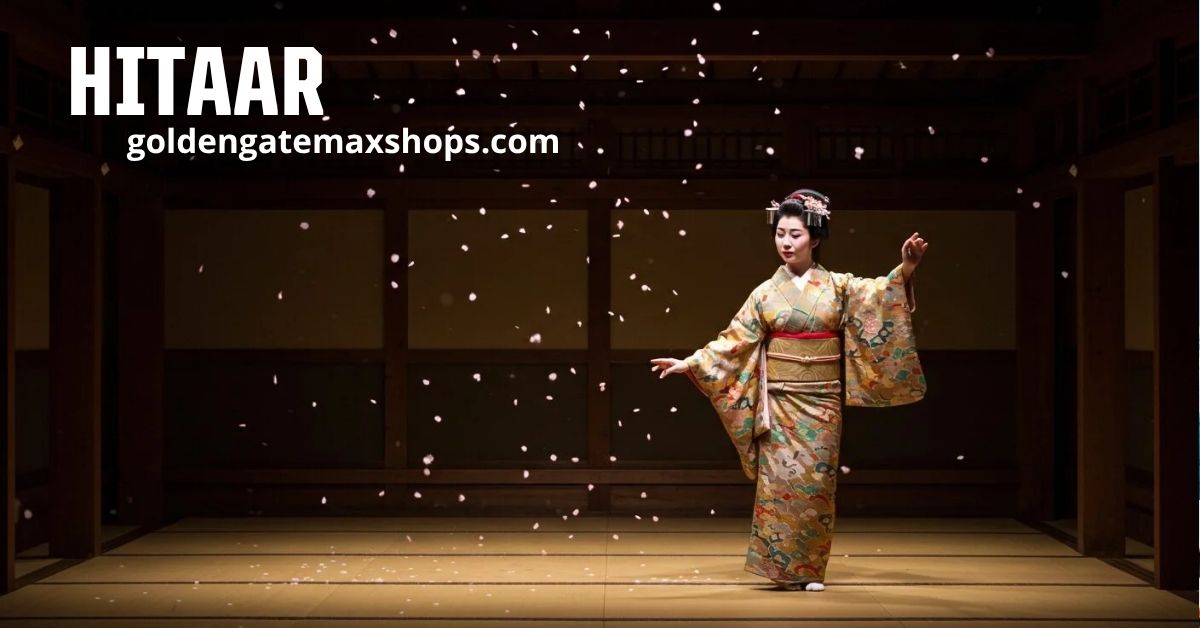
Hitaar is a captivating and soulful form of traditional Japanese performance art that blends rhythm, melody, and movement to create a deeply emotional experience. It draws heavily from Japan’s rich cultural heritage, offering a window into the country’s artistic soul. While it is a unique art form that may be less known globally, it offers insights into Japan’s traditional artistic expressions, bringing forth an ethereal, almost meditative quality to performances.
In this article, we will explore the essence of Hitaar, its historical roots, how it is performed, and its cultural significance. Along the way, we will delve deeper into its nuances, offering an understanding that goes beyond what is currently available in online sources.
What is Hitaar?
At its core, Hitaar is an expressive performance art that combines elements of music, rhythm, and movement. The term “Hitaar” refers to a traditional Japanese art form that intertwines the beauty of melodic fingerpicking, strumming techniques, and unique tuning systems. It is often associated with folk music and ceremonial performances, typically performed with instruments like the Shamisen, Koto, and Shaku-hachi (Japanese flute).
However, the art of Hitaar is not just about playing music. It incorporates slow, deliberate movements that convey emotion, drawing upon Japan’s rich history of Noh, Kabuki, and Bunraku theater traditions. These movements are synchronized with the music, elevating the emotional depth of the performance and allowing for an immersive experience for the audience.
The Historical Roots of Hitaar
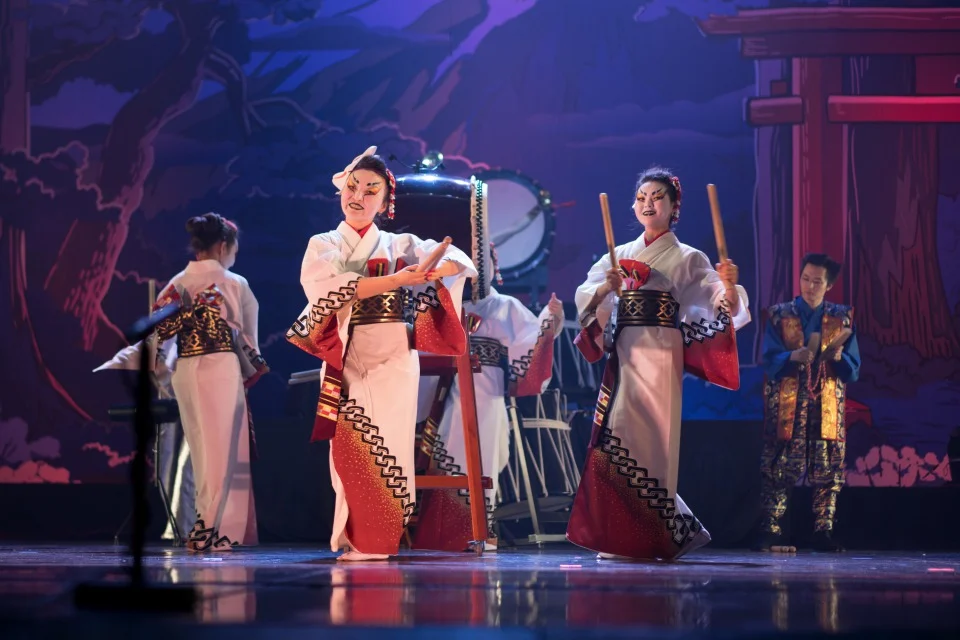
To truly appreciate Hitaar, it is important to understand its historical origins. Hitaar is deeply rooted in Japan’s ancient traditions, tracing back to the Heian Period (794–1185), a time of significant cultural development. During this era, Japan’s elite developed a love for the arts, including music, poetry, and dance, which eventually led to the establishment of various art forms such as Noh theater and Shamisen playing.
The Shamisen, a three-stringed instrument, is often the centerpiece of Hitaar performances. Its gentle, plucking sounds were believed to evoke deep emotional responses, much like the purpose of Hitaar itself. Over centuries, this musical form evolved and incorporated other traditional instruments and techniques.
Hitaar has been passed down through generations, preserved by masters of the craft who ensure that the performance style remains authentic while also evolving with time. Although it remains largely a part of Japan’s cultural heritage, the rise of globalization has allowed Hitaar to gain attention on the international stage, especially in cultural exchange programs and arts festivals.
Also Read: Business Park: Understanding Their Impact and Benefits
The Performance of Hitaar
What truly sets Hitaar apart from other Japanese art forms is its deeply emotional and personal performance style. Performers who engage in Hitaar are required to have a deep connection with their instruments and the music they are playing. The performance involves a careful blend of intricate fingerpicking, strumming, and an understanding of the unique tuning systems used in Japanese music.
The Role of Rhythm and Melody
One of the defining features of Hitaar is the interaction between rhythm and melody. Rhythm is typically slow and deliberate, allowing each note to resonate in the air, while the melody complements this with a gentle, flowing quality. The Hitaar performer does not just play music but creates an immersive experience, using the rhythm to set a mood and the melody to express complex emotions such as sorrow, joy, or nostalgia.
Fingerpicking techniques in Hitaar are often refined over years of practice, where each movement is purposeful and deliberate. The fingers dance gracefully across the strings, creating a sound that seems to evoke the very soul of the performer. This rhythm is accentuated by the slow movements of the performer’s body, which add to the storytelling aspect of Hitaar.
The Instruments Used in Hitaar
The Shamisen and Koto are the primary instruments used in Hitaar performances. Both instruments are deeply ingrained in Japan’s musical traditions, and their sound is integral to creating the melancholic and reflective tone that Hitaar evokes.
- Shamisen: The Shamisen is a traditional Japanese three-stringed instrument. It is played with a plectrum known as a bachi. Its sharp, crisp sound is capable of evoking deep emotion, and it often carries the main melody in Hitaar performances.
- Koto: The Koto is a large, 13-stringed instrument, which is plucked with the fingers or plectrum. The Koto is known for its soft, serene sound, often accompanying the Shamisen in Hitaar performances, enriching the overall texture of the performance.
While the Shamisen plays the melody, the Koto adds harmonic depth and texture, creating a haunting, ethereal ambiance. Together, these instruments work in harmony, guiding the audience through an emotional journey.
The Performance Space and Costume
In addition to the instruments and music, Hitaar performances often include distinctive costumes and a carefully chosen stage setting. Performers typically wear Kimono, traditional Japanese garments, which are designed with vibrant colors and elaborate embroidery that reflect the emotional tone of the performance.
The stage is typically minimalist, often set with just the necessary props and instruments. This simplicity allows the Hitaar performance to shine and emphasizes the emotional weight of the music and movements. The use of light and shadow also plays an important role in conveying mood, with dim lighting enhancing the mysterious or solemn elements of the performance.
Cultural Significance of Hitaar
Hitaar is more than just a form of entertainment; it is a powerful expression of Japan’s cultural identity. It draws from centuries of tradition, and it is often performed during significant cultural events or festivals. It reflects the quiet beauty of Japanese culture, which values subtlety, harmony, and emotional depth.
Also Read: duonao aiyifan: Everything You Need to Know
In the modern era, Hitaar plays an important role in preserving traditional art forms while also offering a platform for contemporary expression. It serves as a bridge between Japan’s past and present, allowing younger generations to connect with their cultural roots while also adapting the art form for new audiences.
Why is Hitaar Important Today?
As Japan continues to modernize, the preservation of traditional arts such as Hitaar becomes even more critical. This art form offers a way to explore the emotional landscape of Japan’s culture, allowing audiences to connect with Japan’s deep artistic heritage. By keeping Hitaar alive, Japan honors its traditions while adapting them for future generations.
The growing interest in traditional Japanese arts worldwide has opened new opportunities for Hitaar to reach international audiences. It has been featured in international arts festivals and cultural exchanges, where it has garnered appreciation for its uniqueness and beauty. This global exposure helps preserve the art form and ensures that it continues to be celebrated for generations to come.
Also Read: Boundless Learning Layoffs: Understanding the Situation, Causes, and Implications
Frequently Asked Questions about Hitaar
What makes Hitaar different from other traditional Japanese performance arts?
Unlike other traditional Japanese performance arts, Hitaar combines both music and movement, offering a more intimate and emotional experience for the audience. Its emphasis on slow, deliberate movements and the unique interaction between rhythm and melody sets it apart from other art forms such as Kabuki or Noh theater.
Is Hitaar still practiced today?
Yes, Hitaar is still practiced and performed in Japan, with new generations of performers carrying forward the tradition. While it may not be as widely known globally, it remains an important part of Japan’s cultural heritage.
Can I learn Hitaar?
While Hitaar requires years of practice to master, many schools in Japan offer training in traditional Japanese music and performance arts, including Hitaar. You can learn the instruments, techniques, and movements associated with Hitaar under the guidance of experienced masters.
How do the instruments used in Hitaar affect the performance?
The Shamisen and Koto are central to the Hitaar performance, each adding its own distinct sound to the overall composition. The Shamisen carries the melody, while the Koto provides harmony and depth, creating a layered, emotional experience for the audience.
Conclusion
Hitaar is a timeless art form that embodies the elegance, depth, and emotional richness of traditional Japanese culture. It beautifully blends the sounds of ancient instruments with graceful movements, offering an unforgettable experience for those lucky enough to witness it. As the world continues to evolve, Hitaar remains a powerful reminder of the importance of preserving cultural traditions and the deep emotional connections they create. Through its delicate melodies and movements, Hitaar continues to inspire and resonate with audiences, both in Japan and around the world.
