

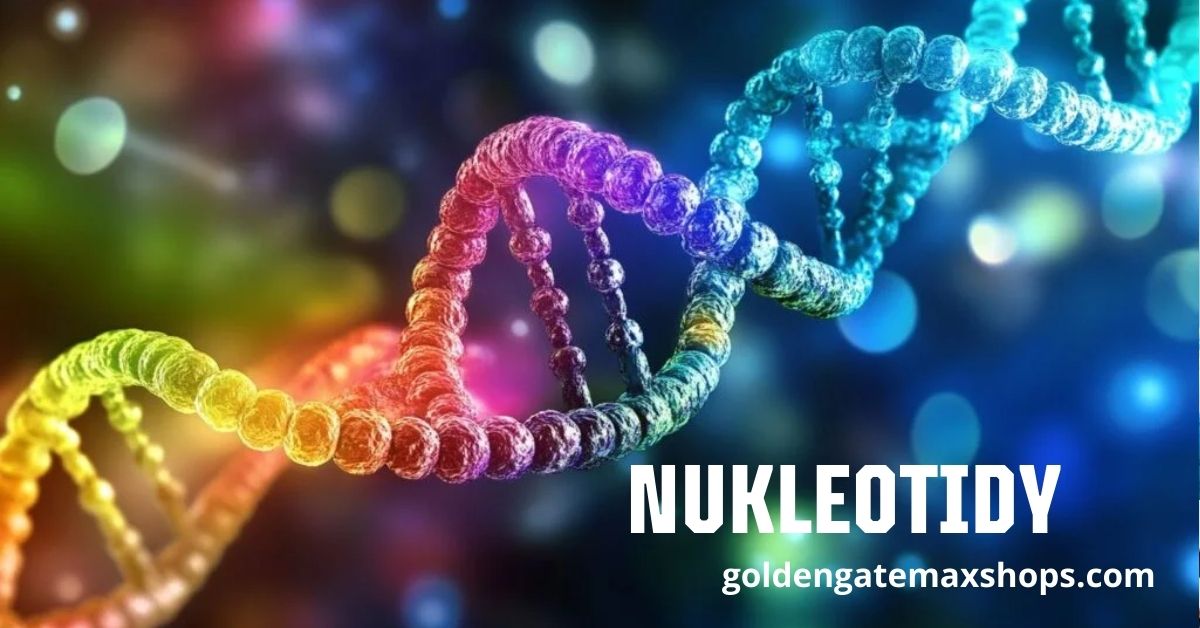
Nukleotidy, also known as nucleotides in English, are the fundamental building blocks of life, forming the backbone of DNA and RNA. They play a crucial role in genetic coding, cellular function, and biochemical processes. Understanding nukleotidy is essential for those interested in genetics, molecular biology, and biotechnology. In this article, we will explore what nukleotidy are, their structure, function, types, and significance in biological processes. We will also discuss their role in DNA replication, transcription, and how they contribute to the inheritance of traits.
What Are Nukleotidy?
Nukleotidy are organic molecules that serve as the basic units of nucleic acids, which include DNA (Deoxyribonucleic Acid) and RNA (Ribonucleic Acid). Each nukleotyd consists of three primary components: a nitrogenous base, a five-carbon sugar, and a phosphate group. The sequence of these nucleotides determines the genetic code, which is crucial for the proper functioning of cells and the transmission of genetic information from one generation to the next.
Components of Nukleotidy
- Nitrogenous Base: The nitrogenous base is a key part of the nukleotyd, and there are five primary types of nitrogenous bases:
- Adenine (A), Thymine (T), Cytosine (C), Guanine (G), and Uracil (U) (in RNA).
- Adenine pairs with Thymine (in DNA) or Uracil (in RNA), and Cytosine pairs with Guanine.
- Adenine (A), Thymine (T), Cytosine (C), Guanine (G), and Uracil (U) (in RNA).
- Sugar Molecule: The sugar molecule in nukleotidy is either ribose (in RNA) or deoxyribose (in DNA). The sugar provides structural support and attaches to both the nitrogenous base and the phosphate group.
- Phosphate Group: The phosphate group connects the nucleotides in a chain, forming the backbone of the DNA or RNA molecule. The phosphate groups are linked to the sugar molecules via phosphodiester bonds.
Types of Nukleotidy
There are two primary types of nukleotidy: those found in DNA and those found in RNA. Both types have similar structures but differ in the type of sugar and one nitrogenous base.
Also Read: Rachel Tergesen: A Comprehensive Profile of the Renowned Makeup Artist
- DNA Nucleotides:
- DNA nucleotides consist of deoxyribose (a five-carbon sugar), a phosphate group, and one of four nitrogenous bases: Adenine (A), Thymine (T), Cytosine (C), or Guanine (G).
- DNA nucleotides form the double helix structure of DNA, with two complementary strands connected by hydrogen bonds between the bases.
- DNA nucleotides consist of deoxyribose (a five-carbon sugar), a phosphate group, and one of four nitrogenous bases: Adenine (A), Thymine (T), Cytosine (C), or Guanine (G).
- RNA Nucleotides:
- RNA nucleotides consist of ribose (a five-carbon sugar), a phosphate group, and one of four nitrogenous bases: Adenine (A), Uracil (U), Cytosine (C), or Guanine (G).
- RNA plays an essential role in protein synthesis, with mRNA (messenger RNA) carrying genetic information from the DNA to the ribosomes for translation into proteins.
- RNA nucleotides consist of ribose (a five-carbon sugar), a phosphate group, and one of four nitrogenous bases: Adenine (A), Uracil (U), Cytosine (C), or Guanine (G).
The Role of Nukleotidy in DNA and RNA
DNA Replication
DNA replication is the process by which a cell makes an identical copy of its DNA. This process is crucial for cell division and the inheritance of genetic material. Nukleotidy are responsible for the replication process, where each strand of the original DNA molecule serves as a template for synthesizing a new complementary strand. This ensures that each daughter cell receives a complete copy of the genetic information.
Transcription and Translation
Nukleotidy also play a pivotal role in transcription and translation, the processes through which genetic information is used to synthesize proteins.
- Transcription: During transcription, the DNA sequence is copied into mRNA, which consists of a sequence of RNA nucleotides. This process is carried out by RNA polymerase, and the mRNA then exits the nucleus and enters the cytoplasm.
- Translation: Translation is the process by which ribosomes read the mRNA sequence and synthesize proteins by assembling amino acids in the correct order. The sequence of nucleotides in the mRNA determines the sequence of amino acids in the protein.
The Importance of Nukleotidy in Cellular Processes
Nukleotidy are essential for many vital cellular processes, including:
Also Read: Prizmatem: A Complete Guide to the Technology Transforming Digital Experiences and Modern Healthcare
- Energy Transfer: ATP (Adenosine Triphosphate), a nucleotide, plays a critical role in energy transfer within cells. ATP is used to power various cellular activities, such as muscle contraction, protein synthesis, and active transport across cell membranes.
- Cell Signaling: Cyclic AMP (cAMP), a derivative of ATP, serves as a secondary messenger in various signaling pathways. It plays a role in regulating metabolic processes and cellular responses to external signals.
- DNA Repair: Nukleotidy are involved in DNA repair mechanisms, ensuring the integrity of the genetic code. When DNA is damaged, enzymes use nucleotides to repair the affected regions, preventing mutations and maintaining cellular health.
- Cell Division: Nukleotidy are essential during cell division, ensuring that each new cell receives a complete set of chromosomes. During mitosis and meiosis, the replication and segregation of DNA depend on the accurate incorporation of nucleotides.
The Link Between Nukleotidy and Genetic Diseases
Mutations in the sequence of nucleotides can lead to genetic disorders. For example, a change in just one nucleotide can cause sickle cell anemia, a condition where red blood cells become misshapen and cannot carry oxygen effectively. Other genetic disorders, such as cystic fibrosis and Duchenne muscular dystrophy, are also caused by mutations in specific nucleotide sequences.
Nukleotidy in Biotechnology and Medicine
In biotechnology, understanding and manipulating nucleotides is crucial for various applications, including:
- Genetic Engineering: Scientists can modify the nucleotide sequence of DNA to create genetically modified organisms (GMOs) or produce recombinant proteins for therapeutic purposes.
- Gene Therapy: Gene therapy involves replacing or repairing defective genes using nucleotide-based therapies. This approach holds promise for treating genetic diseases at the molecular level.
- DNA Sequencing: The sequencing of DNA allows researchers to determine the exact order of nucleotides in a given gene or genome. This technology is essential for understanding genetic variation and diagnosing genetic diseases.
- PCR (Polymerase Chain Reaction): PCR is a technique that amplifies specific DNA sequences by using nucleotides and enzymes. This process is widely used in genetic testing, forensic analysis, and pathogen detection.
Also Read: Business Park: Understanding Their Impact and Benefits
FAQs About Nukleotidy
1. What are the main differences between DNA and RNA nucleotides?
- DNA nucleotides contain the sugar deoxyribose, whereas RNA nucleotides contain ribose.
- DNA uses thymine as a base, while RNA uses uracil in place of thymine.
- DNA is double-stranded, and RNA is single-stranded.
2. Why are nucleotides important for energy production?
Nucleotides like ATP are essential for energy transfer in cells. ATP provides energy for various processes, including muscle contraction, protein synthesis, and cell signaling.
3. Can mutations in nucleotides cause diseases?
Yes, mutations in the nucleotide sequence of DNA can lead to genetic disorders. Even a single nucleotide change can cause diseases like sickle cell anemia or cystic fibrosis.
4. How do nucleotides contribute to DNA repair?
Nucleotides play a crucial role in DNA repair by providing the building blocks needed to replace damaged sections of DNA. This process ensures the stability of the genome.
5. How are nucleotides used in biotechnology?
Nucleotides are used in biotechnology for genetic engineering, gene therapy, DNA sequencing, and PCR. These applications help scientists modify genes, diagnose diseases, and conduct research.
Conclusion
Nukleotidy are the building blocks of life, playing a vital role in genetic coding, cellular functions, and biochemical processes. Their structure and function are essential for maintaining the integrity of the genome, supporting energy transfer, and facilitating DNA replication and protein synthesis. With their widespread applications in biotechnology and medicine, nucleotides are integral to advancing our understanding of genetics and improving healthcare. By understanding the importance of nucleotidy, we gain valuable insights into the molecular mechanisms that govern life itself.
