

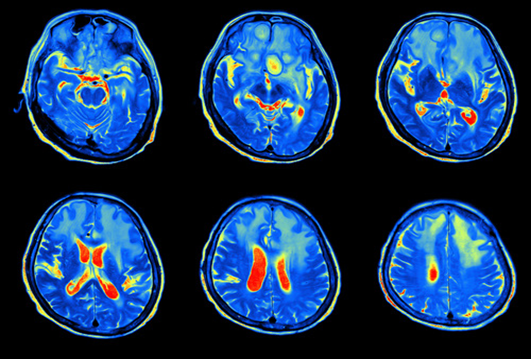
Neurodegenerative diseases often develop gradually, making early identification and accurate monitoring fundamental for effective care. Neuroradiology contributes significantly to this process through advanced imaging techniques that reveal structural and functional changes within the brain. Here’s more information on neuroradiology’s contribution to understanding neurodegenerative diseases:
Tracking Brain Changes
The brain is a dynamic organ that changes throughout a person’s life, but neurodegenerative diseases accelerate or alter these changes in specific ways. Neuroradiology allows doctors to track these alterations by comparing images taken at different time points. This approach is key to monitoring disease progression or treatment efficacy.
Neuroradiology looks beyond the physical structure of the brain. Functional imaging can reveal how different brain regions communicate and use energy. If a specific brain area shows reduced activity or blood flow, it suggests that the neurons there are struggling to function properly. This adds another layer of information that structural images alone cannot provide.
Studying Neurodegeneration
Radiologists use several neuroradiology modalities to capture detailed images of the nervous system. The following technologies are commonly used to visualize the brain and spine:
- Magnetic Resonance Imaging (MRI): This tool uses powerful magnets and radio waves to create detailed images of soft tissues.
- Computed Tomography (CT) Scans: These scans use X-ray equipment to create cross-sectional images of the head.
- Positron Emission Tomography (PET) Scans: PET scans measure metabolic activity in the brain and show how cells use glucose or oxygen.
- Functional MRI (fMRI): This technique measures brain activity by detecting changes in blood flow, helping clinicians map which parts of the brain handle key functions.
These neurological imaging tools provide the data needed to form a complete picture of a patient’s brain health.
Identifying Disease Patterns
Different neurodegenerative diseases leave distinct patterns on the brain that trained neuroradiologists can identify. Recognizing these patterns is fundamental to distinguishing between conditions that may appear similar clinically. In Parkinson’s disease, routine MRI scans often appear normal, but advanced neuroimaging techniques may detect subtle changes in the substantia nigra, a brain region that controls movement. This level of detail helps confirm a diagnosis when symptoms like tremors or stiffness are present.
Supporting Ongoing Care
The role of neuroradiology extends beyond the initial appointment or the first set of pictures. Here’s how these diagnostic tools help doctors at various stages of patient care:
- Early Detection: Imaging can detect subtle changes in brain tissue before significant clinical symptoms manifest, enabling earlier intervention.
- Differential Diagnosis: Imaging helps doctors rule out reversible causes of cognitive decline, thereby guiding appropriate treatment.
- Treatment Monitoring: Regular imaging enables physicians to assess whether a specific medication is slowing the progression of brain atrophy or preventing the formation of new lesions.
- Research and Trials: Clinical trials employ neuroimaging to objectively assess the safety and efficacy of new drugs developed to treat neurodegenerative conditions.
Integrating these imaging insights into the care plan helps medical teams offer personalized and effective management strategies for their patients.
Schedule Your Neuroradiology Appointment
Neuroradiology provides key insights into the complex nature of neurodegenerative diseases. Advanced technologies such as MRI and PET scans enable medical professionals to visualize structural and functional changes within the nervous system. This aids in accurate diagnosis and also plays a key role in monitoring disease progression and evaluating treatment effectiveness. If you or a loved one is experiencing symptoms related to neurological concerns, contact a reputable neuroimaging center near you to schedule your appointment today.
