

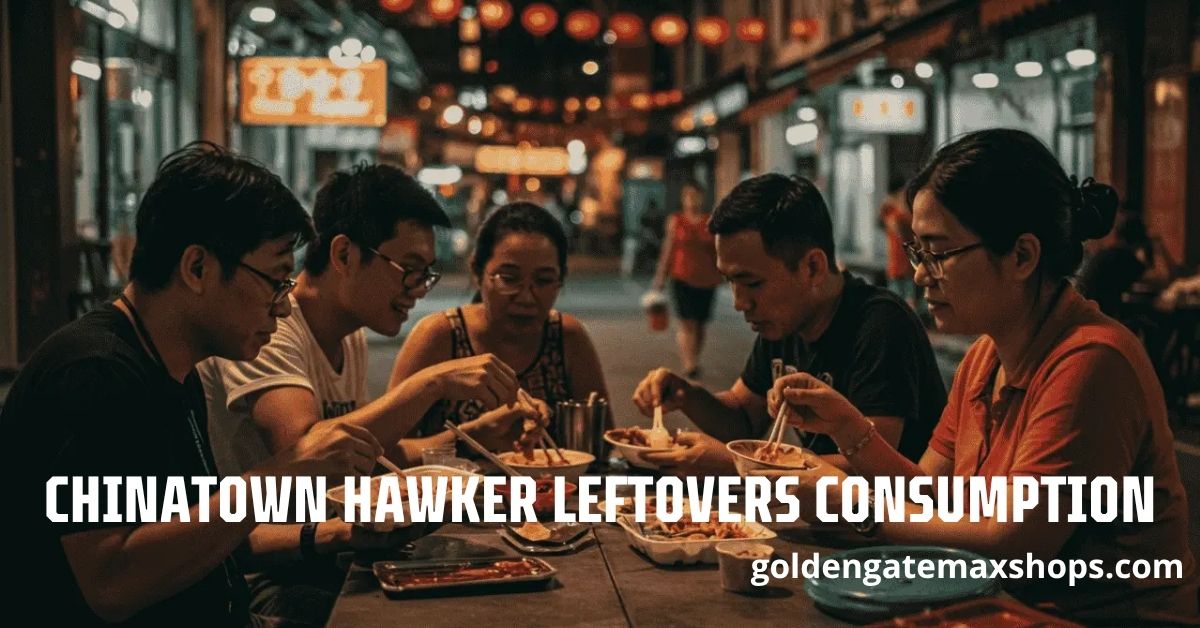
Around the world, food waste is a major problem. Every day, tons of food are thrown away even though it is still safe to eat. In many Asian cities, hawker centers are famous for their affordable and delicious meals. But these food stalls also face the same issue: what happens to the food that doesn’t sell by the end of the day?
This is where the idea of chinatown hawker leftovers consumption comes in. The term refers to the growing effort to reuse, redistribute, or consume leftover food from hawker stalls, especially in Chinatown areas. These neighborhoods are known for their traditional Asian food culture and close community spirit.
In this article, we’ll explore how this movement started, why it’s growing, what challenges it faces, and how it connects to larger topics like sustainability, food security, and community values.
What Is Chinatown Hawker Leftovers Consumption?
Chinatown hawker leftovers consumption means the act of saving, sharing, or reusing food that remains unsold at hawker stalls, especially at the end of the day.
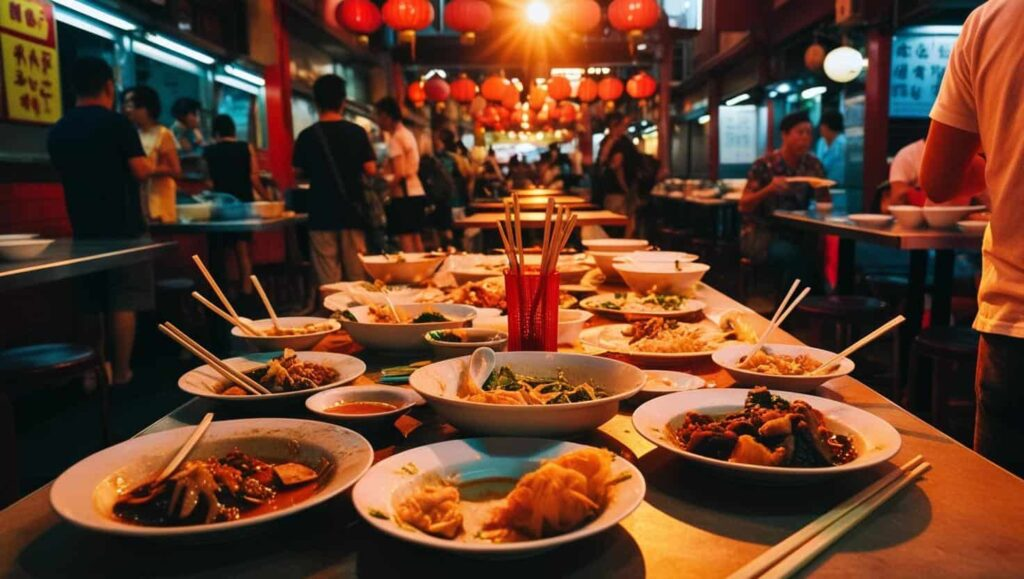
Instead of throwing the leftovers into the trash, stall owners, volunteers, or local organizations collect the food. They either:
- Donate it to those in need, such as the homeless or low-income families.
- Reuse it safely in other forms (for example, turning leftover rice into fried rice or soup the next day).
- Consume it personally or share it among workers and neighboring stalls.
This practice is becoming more visible in several major Chinatowns around the world, including those in Singapore, Kuala Lumpur, Hong Kong, and even in cities like New York, San Francisco, and London.
Also Read: Seekde: Revolutionizing Online Search Platforms for a Smarter Future
The Origins of the Trend
The practice of consuming leftovers is not new in Asian culture. In traditional communities, wasting food was considered disrespectful, especially when food scarcity was common.
In Chinatown hawker centers, many stall owners have long followed the idea of minimizing waste. However, in recent years, this concept has evolved into a more organized, community-driven effort.
Several things have fueled this modern movement:
- Rising awareness of food waste – Global campaigns and social media have educated people on how much edible food is wasted daily.
- Environmental concerns – People realize that reducing waste helps cut down carbon emissions and landfill use.
- Economic pressure – Small hawker stalls often operate on tight margins, so reusing or redistributing food can help save money.
- Cultural pride and social good – Chinatowns often value helping one another, making food sharing a natural extension of their community values.
Why Food Waste Is a Big Issue
Before diving deeper into chinatown hawker leftovers consumption, it’s important to understand the scale of food waste.
According to global studies, one-third of all food produced worldwide goes to waste. That means around 1.3 billion tons of food is lost every year. In the US alone, about 30–40% of the food supply is thrown away.
This waste has serious effects:
- Environmental harm – Decomposing food in landfills releases methane, a greenhouse gas that’s more harmful than carbon dioxide.
- Economic loss – The US loses billions of dollars annually from wasted food.
- Moral and social concerns – Millions of people face hunger every day, while tons of edible food are discarded.
In this context, the chinatown hawker leftovers consumption trend becomes not just practical but morally important.
How the Practice Works in Chinatown
In most Chinatowns, hawker centers or food courts have a strong sense of community. Stall owners often know each other, and regular customers are treated like family.
Here’s how chinatown hawker leftovers consumption typically works:
- End of the day collection – At closing time, vendors separate food that’s still safe to eat from spoiled items.
- Sorting and packaging – Volunteers or workers pack leftover meals into containers.
- Distribution – These meals are delivered to local charities, homeless shelters, or community kitchens.
- Personal consumption – Some stall owners and employees take the leftovers home for their families.
- Creative reuse – Leftover ingredients may be turned into new dishes for the next day, ensuring nothing goes to waste.
Some Chinatowns even have digital platforms or apps that connect hawkers with volunteers or customers looking to buy discounted leftovers. This not only reduces waste but also gives people access to affordable meals.
Cultural Meaning and Community Connection
Food plays a deep role in Asian and Chinese culture. Sharing food shows care, respect, and unity. In Chinatown, this value is visible everywhere—from family-style meals to community festivals.
Also Read: Pabington: A Hidden Gem in the Heart of Nature
The chinatown hawker leftovers consumption movement continues this tradition in a modern way. Instead of letting food go to waste, people use it to support others. It reminds communities that food is more than just fuel—it’s a symbol of love and generosity.
It also strengthens social ties. When hawkers, volunteers, and residents work together to collect and share leftovers, they build trust and friendship. This sense of togetherness is one of the main reasons why the movement continues to grow.
Health and Safety Concerns
One of the biggest challenges facing chinatown hawker leftovers consumption is food safety. Governments and health departments have strict rules about how food should be handled, stored, and served.
If not managed properly, leftover food can cause foodborne illnesses. To avoid this, organizers follow several safety steps:
- Keeping food at safe temperatures until distribution.
- Using clean, sealed containers.
- Distributing food quickly (usually within 2–3 hours).
- Avoiding perishable items like raw seafood or dairy-based dishes.
- Training volunteers in hygiene and safe handling.
In some Chinatowns, authorities work with food safety experts to ensure that redistribution programs meet legal standards. This cooperation helps maintain trust between hawkers, consumers, and regulators.
Environmental Impact
Reducing food waste is one of the most effective ways to fight climate change. By embracing chinatown hawker leftovers consumption, these communities help the environment in multiple ways:
- Less landfill waste – Fewer leftovers end up in garbage dumps.
- Lower carbon footprint – Producing, transporting, and cooking food uses energy. Reusing leftovers means fewer new resources are needed.
- Waste management savings – Cities spend less on waste collection and disposal.
In short, every meal that gets reused instead of wasted makes a positive difference.
Economic Benefits
Hawker stalls often operate on small profit margins. For them, every dollar counts. Chinatown hawker leftovers consumption helps reduce business losses in several ways:
- Saving money – Reusing ingredients means spending less on new supplies.
- Extra income – Some stalls sell leftover meals at discounted prices through “last hour deals.”
- Community support – When hawkers donate food, they often receive recognition, which can attract more customers.
This mix of economic and social benefits makes the practice both sustainable and rewarding.
Technological Support
In recent years, digital platforms have helped boost chinatown hawker leftovers consumption. Apps like “Too Good To Go,” “Olio,” and “Food Rescue Hero” allow restaurants and hawkers to list unsold meals that customers can buy cheaply.
Some Chinatowns have also developed their own systems to connect vendors with charities or food rescue organizations. These apps make the process faster, safer, and more transparent.
Technology has turned what used to be a simple local habit into an organized, city-wide sustainability network.
Global Comparison: Chinatown vs. Other Food Districts
While the chinatown hawker leftovers consumption trend is growing, similar efforts exist in other food markets. For example:
- In Japan, convenience stores donate leftover food to “food banks.”
- In France, supermarkets are legally required to donate unsold food.
- In the US, many restaurants work with food recovery programs.
However, Chinatowns have a unique advantage. Their compact layout, cultural emphasis on community, and long-standing food traditions make it easier to organize such efforts locally.
Government and NGO Involvement
In many cities, local governments and non-profit organizations support chinatown hawker leftovers consumption. They help by:
- Providing storage and transport facilities.
- Offering training on food hygiene.
- Giving tax incentives for food donations.
- Running awareness campaigns.
This partnership between public institutions and local hawkers ensures that food redistribution is safe and effective.
Also Read: Fontlu: Discover the Best Free and Premium Fonts for Designers, Developers, and Content Creators
Challenges Faced
Despite its many benefits, the movement still faces obstacles:
- Regulations – Some health laws limit what kinds of food can be reused or donated.
- Public perception – Some people still view leftovers as “unhygienic,” even when safely handled.
- Logistics – Not all stalls have space or resources to store food properly.
- Labor shortage – Volunteers are essential, but organizing daily pickups can be tough.
To overcome these issues, more collaboration between hawkers, governments, and NGOs is needed.
Future of Chinatown Hawker Leftovers Consumption
The future looks bright for this growing movement. As people become more aware of food waste and sustainability, demand for responsible consumption will continue to rise.
In the coming years, we may see:
- More digital solutions for coordinating food donations.
- Government-supported waste reduction programs in every Chinatown.
- Public education campaigns promoting safe leftover use.
- Partnerships with schools and local chefs to teach creative ways to reuse food.
The trend shows that even small community efforts can have global impact when guided by care and collaboration.
Social Media’s Role
Social media has played a major role in spreading awareness about chinatown hawker leftovers consumption. Platforms like TikTok, Instagram, and YouTube feature videos of volunteers collecting and redistributing hawker food.
These videos not only inspire others but also remove the stigma around leftover consumption. They show that sustainability can be both practical and kind.
Some influencers even partner with hawkers to create campaigns promoting eco-friendly dining habits.
How You Can Help
If you want to support chinatown hawker leftovers consumption, here are a few easy ways:
- Support hawkers who minimize waste – Buy from stalls that practice sustainability.
- Download food rescue apps – Purchase leftover meals instead of letting them go to waste.
- Volunteer – Join local food redistribution efforts in your Chinatown.
- Spread awareness – Share positive stories on social media.
- Reduce waste at home – Plan meals carefully and use leftovers creatively.
Small actions like these add up to make a real difference.
The Moral and Emotional Side
Beyond economics and the environment, chinatown hawker leftovers consumption carries deep emotional value. It reflects empathy, compassion, and humanity.
When someone chooses to save and share food instead of throwing it away, it becomes an act of kindness. It reminds us that community well-being is built not just on profit but also on care for one another.
In a world where many people struggle with hunger, this simple act of sharing can mean the world.
Conclusion
Chinatown hawker leftovers consumption is more than just a trend—it’s a symbol of cultural respect, community spirit, and sustainability.
It shows how local traditions can offer global lessons in caring for people and the planet. By reducing food waste, supporting small businesses, and helping those in need, this practice creates a win-win situation for everyone.
As awareness spreads, more Chinatowns—and even other food markets—may follow this model. The goal is simple yet powerful: to make sure that no meal, no effort, and no kindness ever goes to waste.
FAQs
What is the main goal of chinatown hawker leftovers consumption?
The main goal is to reduce food waste by reusing or redistributing unsold hawker food to those who can benefit from it.
Is it safe to eat leftovers from hawker stalls?
Yes, if handled correctly. Food safety rules are followed to keep leftovers fresh, clean, and safe for consumption.
Who benefits from these leftover programs?
Low-income families, homeless individuals, community groups, and even the environment benefit from reduced waste.
How do hawkers handle unsold food at the end of the day?
They sort and separate safe food, package it properly, and donate or reuse it creatively for the next day.
Are there any apps that support chinatown hawker leftovers consumption?
Yes, several apps like “Too Good To Go” and “Olio” help hawkers and consumers connect for discounted or donated meals.
What can customers do to help reduce hawker food waste?
Customers can buy near-closing-time deals, bring reusable containers, and support stalls practicing sustainability.
How does this movement help the environment?
It cuts down landfill waste, lowers carbon emissions, and saves energy by reducing the need for new food production.
Are governments involved in supporting this practice?
In some cities, local authorities and NGOs help with logistics, food safety, and awareness campaigns.
Can the same system work outside of Chinatown?
Absolutely. The same principles can apply to restaurants, supermarkets, and cafeterias anywhere.
Why is it important to humanize food waste issues?
Because food connects people emotionally. When we value food, we value the effort, love, and community behind it.
