

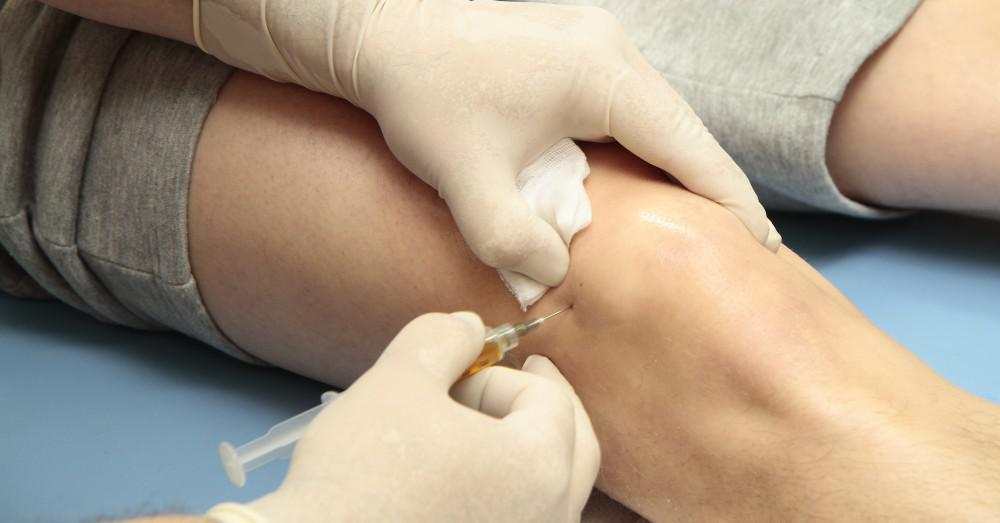
Platelet-rich plasma (PRP) therapy is an innovative procedure, and it uses a concentration of a patient’s own platelets to help address injuries. The process involves drawing a small amount of blood, which is then placed in a centrifuge to separate the platelets, creating a concentrated plasma that is then administered to the injured area. Here is more information on PRP therapy for sports injuries:
Regenerating Tissue
PRP therapy works by introducing a high concentration of platelets directly to the site of an injury. When tissues are damaged, the body’s natural response is to send platelets to the area to start the healing process. These platelets are key components in your blood that are known for their clotting abilities. PRP injections supplement the body’s own healing response, which may assist in the regeneration of damaged tendons, ligaments, and muscles.
This treatment introduces a powerful mix of growth factors, and these components get to work right away. While your body has its own system for repair, PRP delivers a concentrated dose of healing elements directly where they are needed most. The process is designed to complement and enhance your body’s innate ability to recover from injury.
Utilizing Growth Factors
Platelets contain hundreds of proteins called growth factors, which are very significant for the healing of injuries. A PRP injection delivers a high concentration of these growth factors to a specific area. This targeted application allows the growth factors to signal local cells, so the healing cascade can be amplified. Your body initiates a complex sequence of events to repair itself following an injury.
Boosting Healing
The introduction of concentrated platelets may accelerate the repair of injured tissues. For many athletes, a quicker return to their sport is a primary objective, and they seek out treatments that might support this goal. The growth factors in the plasma help stimulate the healing process, and they are injected into the affected area.
This treatment is helpful for a variety of sports-related issues. These include:
- Tendon injuries
- Muscle strains
- Joint pain
The application is straightforward, though it requires precision. A healthcare provider uses imaging, such as ultrasound, to guide the injection to the exact site of injury. This helps deliver the PRP with accuracy to the damaged tissue.
While PRP is beneficial for many conditions, responses to treatment vary among individuals. The healing process is complex, and many factors influence the outcome of any therapeutic intervention. An individual’s overall health, the type of injury, and its severity all play a part in the recovery.
Aiding Recovery
Following a PRP procedure, a period of rest is typically recommended, allowing the initial healing phase to begin without stress on the tissue. Physical therapy may be part of the recovery plan after the initial rest period has passed. A medical team can guide you through exercises that are designed to restore strength and flexibility as the tissue heals. The combination of PRP and structured rehabilitation works together to support a comprehensive recovery.
Find PRP Therapy Near You
Understanding your options is the first step toward finding relief from a sports injury. PRP therapy uses your body’s own resources to support healing and help you get back to sports activities. If you’re an athlete looking for ways to manage an injury, learning more about this treatment may provide you with a plan. Contact a qualified healthcare provider in your area to schedule a consultation and discuss your specific needs.
