


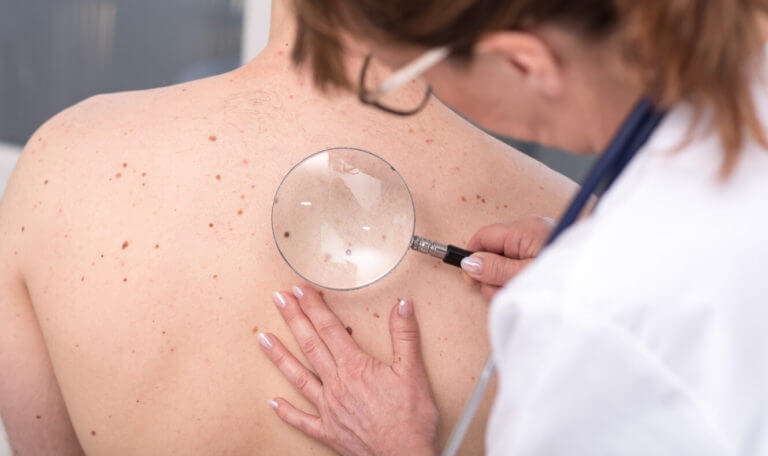
Because the skin functions as a protective barrier, its health significantly and directly affects your physical well-being. Dermatologists study skin structure intently, and they diagnose conditions such as melanoma with high accuracy levels using tools. These dermatology specialists understand the complex behaviors of various dangerous skin cancer cells in the body. Here are some ways melanoma can be treated:
Removal Surgery
Surgical excision remains the standard medical method for effectively treating early-stage melanoma diagnoses in adult patients. When a doctor identifies a tumor, they remove it along with a safety margin of skin. The surgeon numbs the local area, and they carefully cut out the cancerous tissue immediately. This surgical process aims to eliminate all dangerous cancerous cells present in that specific location completely.
The procedure leaves a wound behind, and doctors close it with stitches to promote proper healing. A permanent scar forms naturally on the skin during the subsequent biological healing process over time. If the melanoma is deep, the surgeon also removes nearby lymph nodes for testing purposes. Laboratory tests analyze the tissue, and a specialist can determine if any cancer remains in the margins.
Skin Grafts
Because some excisions are large, simple stitches do not cover the open wound area effectively enough. If the skin lacks enough elasticity, doctors perform a specialized skin graft procedure for closure. A graft takes healthy skin from another body part, such as the thigh or the upper arm. When the surgeon places the graft, it covers the open wound completely to aid recovery.
The donor site typically heals with standard bandage applications and basic wound hygiene. While the donor site recovers, the grafted area requires protection from movement and friction for days. Blood vessels must grow into the graft, and a solid connection is necessary for survival. Doctors apply special dressings to aid this attachment process during the first few days of recovery.
Infection risks exist with grafts, but proper hygiene reduces these potential medical complications greatly for patients. Patients receive detailed instructions for daily wound care and dressing changes to support the process. While the recovery time varies, patience allows the new skin to settle firmly in place. The graft eventually blends in, and the area functions as a protective barrier once again.
Chemotherapy Treatment
If melanoma spreads to other organs, chemotherapy attacks these rapidly dividing cancer cells systematically and aggressively. This systemic treatment travels throughout the entire bloodstream to reach distant tumors in the body. Drugs kill cancer cells efficiently, but they also affect some healthy body cells temporarily during treatment. Patients receive these powerful medications in different ways depending on their specific medical needs:
- Intravenous infusions at a clinic
- Oral pills taken at home
Cancer Medications
Modern dermatology uses advanced treatments, such as immunotherapy, for advanced melanoma in adults with specific needs. These drugs stimulate the immune system, and it recognizes cancer cells more clearly for attack. Because some tumors have genetic mutations, targeted therapy drugs focus on those specific cellular defects directly. These treatments shrink tumors effectively and significantly slow disease progression.
Find Dermatology Services Near You
When you observe changes in moles, a professional evaluation provides the necessary answers regarding your health status. Regular skin examinations help detect potential issues early for better treatment outcomes and simpler procedures. Contact a dermatology clinic today and schedule your comprehensive skin assessment with a provider.