


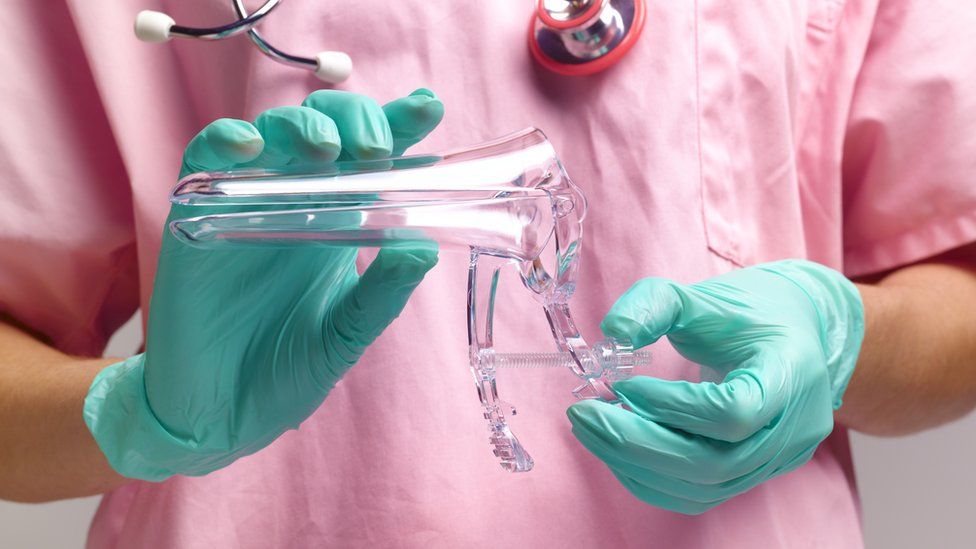
A Pap smear is a procedure that checks the cervix for abnormal cell changes, and it can help to detect issues early. During this quick exam, a healthcare provider collects cells from the cervix using a specialized tool. While the process is brief, it remains a primary method for monitoring reproductive health. This is what women should know about pap smears and their frequency:
Screening for Cancer
Cervical cancer typically develops slowly, which gives doctors time to find and treat issues early. This test looks for precancerous conditions, and it identifies changes before they turn into cancer. Because symptoms do not appear immediately, regular screening allows for early intervention and effective treatment plans.
The screening may include a test for the human papillomavirus, known as HPV. This common virus causes most cervical cancer cases, so doctors track its presence in the body. While many infections clear up naturally, persistent cases sometimes lead to cell changes over time.
You receive results within a few days, and your doctor will explain what they mean. If the lab finds abnormal cells, you will typically need a follow-up Pap smears. Do not panic about these findings, for they often indicate mild changes that resolve on their own.
Testing Every Three Years
Women ages 21 to 29 need a Pap smear every three years to monitor for changes. Doctors recommend this specific interval because cervical cancer generally takes many years to develop in women. The timeline is safe for most patients, and it avoids unnecessary testing for younger individuals.
The guidelines change slightly once a woman reaches the age of 30 and until age 65. You might choose a Pap smear combined with an HPV test every five years. Because this co-testing approach is thorough, it allows for a longer gap between your screenings.
Depending on Several Factors
Some women have specific risk factors, so they need screening more often than the standard guidelines. If you have a history of serious cervical diagnoses, your doctor will adjust your personal schedule. A weakened immune system also requires more frequent monitoring to maintain your ongoing reproductive well-being.
Your doctor reviews these factors:
- History of smoking
- HIV infection
- Exposure to diethylstilbestrol (DES)
Maintaining open communication with your healthcare provider is significant, as they can help tailor a screening schedule that best suits your individual needs. While some women may not require frequent screenings, others with higher risk factors should remain particularly vigilant. Regular check-ups, no matter your risk level, contribute to early detection and successful treatment outcomes.
Protecting Women’s Health
Regular visits to your gynecologist involve more than just the Pap smear screening itself. Even when you do not need a Pap smear, you still need a yearly pelvic exam. These appointments allow you to discuss concerns, and your doctor checks your overall reproductive health.
Schedule Pap Smears Today
Because your health is a priority, you must stay current with your recommended screening appointments. Call your healthcare provider’s office to verify when you are due for your next visit. Prevention works best with consistency, so do not delay making this appointment for yourself.