


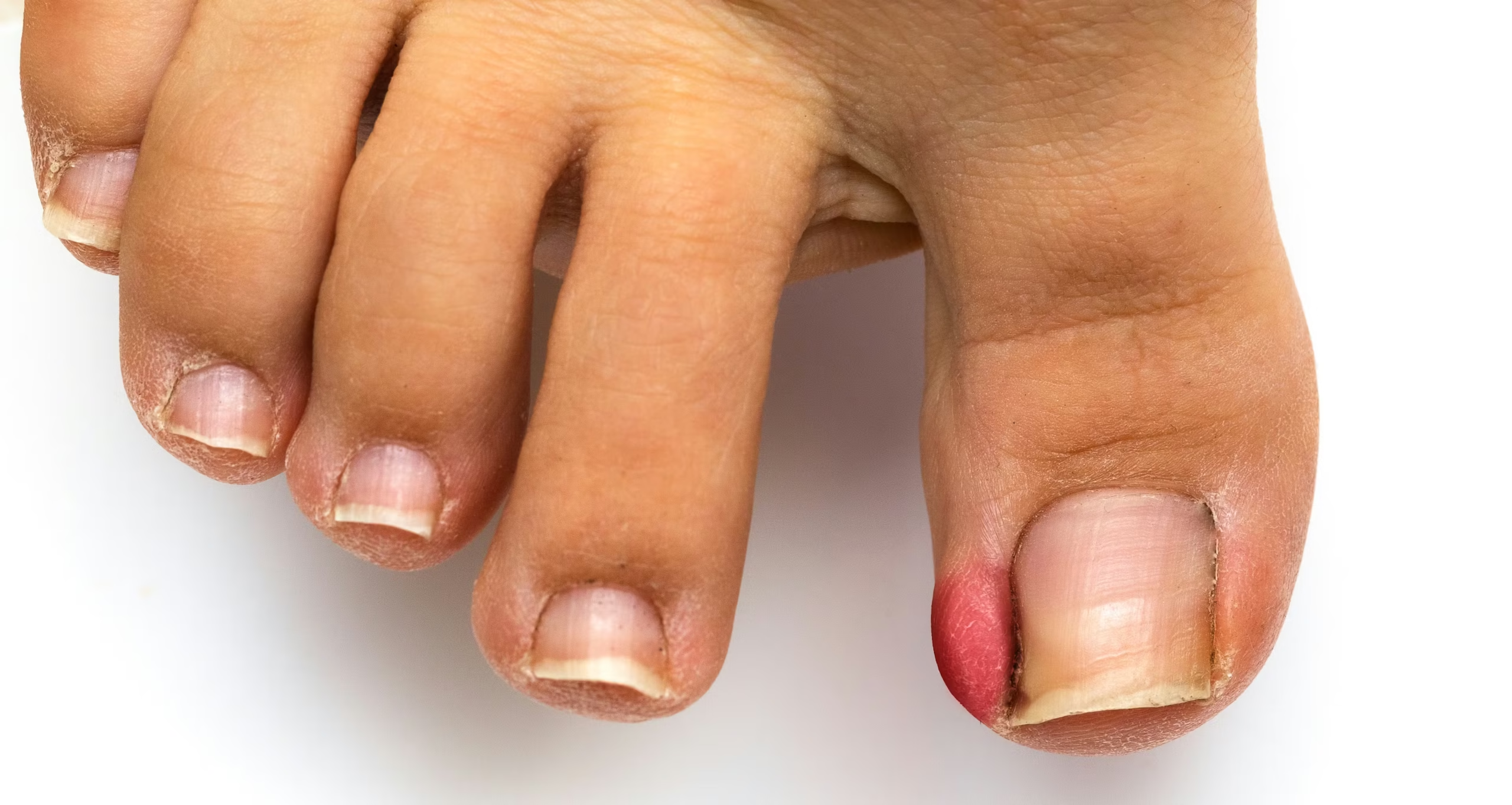
An ingrown toenail is where the side of a nail grows into the flesh, and it causes significant pain. The big toe is typically affected, though any toe may develop this problem, and if left untreated, it might result in infection. Understanding the progression and treatment options for ingrown toenails provides a clear path forward. Here is more information about how ingrown toenails occur and how to address them:
Curling Toenails
The shape of your toenails can sometimes contribute to ingrown toenails. Toenails that curve more than usual are prone to digging into the skin, and this inherited trait means you might have a higher likelihood of developing the condition. If you improperly trim your toenails, such as cutting them too short or angling the sides, you may also encourage the skin to fold over the nail. Wearing shoes that are too tight or narrow places pressure on your toes, and this constant pressure may force the nail to grow into the surrounding skin.
Causing Swelling
When a toenail pierces the skin, the body’s natural response is to react as it would to any foreign object, which leads to swelling. The area around the nail will become inflamed, and it may be tender to the touch. This initial swelling is a sign that the body is trying to protect the area.
This inflammation may increase over time. As the nail continues to push into the skin, the swelling might spread and become more pronounced. You might also notice the skin feels warm, and this is a normal part of the body’s inflammatory process.
If bacteria enter the small wound created by the nail, an infection may develop, so the area might produce pus. The swelling could become more severe, and the skin might appear shiny and tight. Keeping the area clean is a good step to help manage the situation while you seek professional advice.
Leading to Pain
The initial discomfort from ingrown toenails typically begins as a minor annoyance. You might feel pressure or tenderness along the side of the nail, and this can happen when wearing shoes. When you feel pain, it is a direct result of the nail edge pressing against your skin.
Pain may intensify as the condition progresses. Simple activities such as walking can become difficult, and the constant pressure may cause sharp, throbbing sensations. When the area becomes inflamed and swollen, the pain typically worsens because the nail is pushed deeper into the tender tissue. Even the light pressure from a bedsheet at night may be enough to cause significant discomfort.
Removing Part of Nail
For a persistent or infected ingrown toenail, a podiatrist might perform a minor procedure to provide relief. A partial nail removal is a standard treatment where the doctor numbs the toe and removes the small piece of nail that is digging into the skin. After the nail edge is removed, the skin has a chance to heal properly. The procedure is typically straightforward, and recovery involves keeping the area clean and bandaged.
In some cases, other steps are needed:
- Applying a chemical to the nail matrix.
- Preventing a specific section of the nail from growing back.
- Prescribing an oral antibiotic for an infection.
Get Treated for Ingrown Toenails
Ignoring an ingrown toenail can lead to increased pain and potential complications, especially if an infection develops. While some minor cases might be managed at home, recurring or painful ingrown toenails benefit from professional evaluation. If you are experiencing pain or signs of an infection from an ingrown toenail, schedule an appointment with a podiatrist today.