


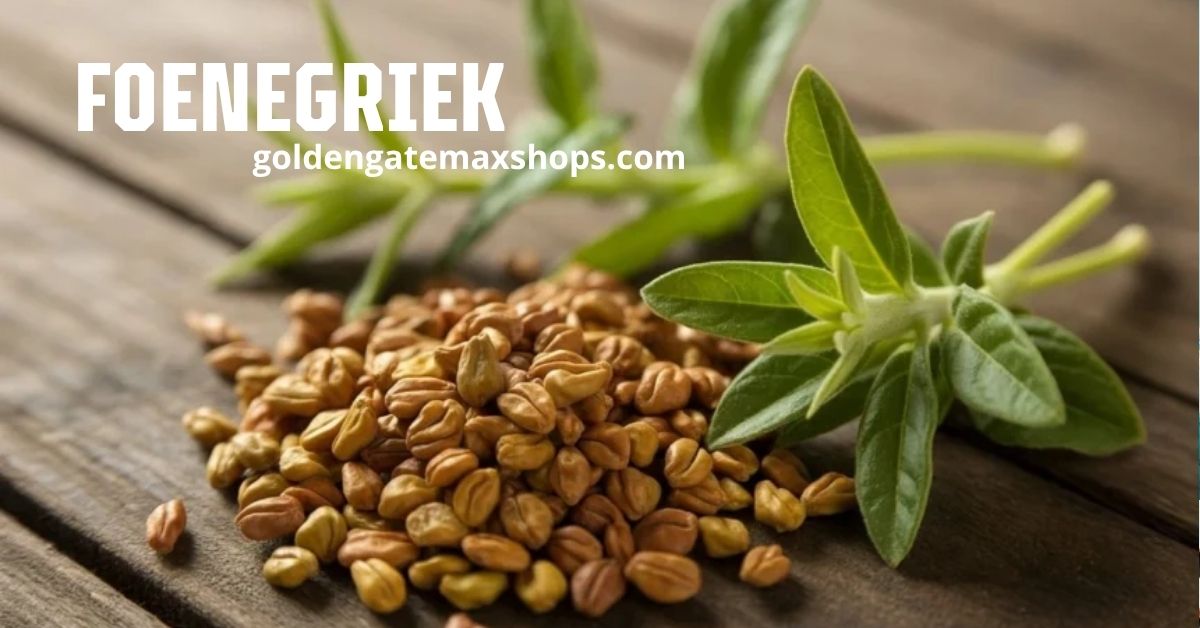
Foenegriek, known as fenugreek in English, is a plant that belongs to the legume family. Its seeds have been a staple in various cultures for thousands of years, not only in culinary practices but also in traditional medicine. In this article, we will delve deep into the origins, nutritional value, health benefits, culinary uses, and potential side effects of foenegriek. We aim to provide a thorough understanding of this powerful herb, shedding light on its impact on health and wellness, supported by scientific studies and practical applications.
What is Foenegriek?
Foenegriek, also known as Trigonella foenum-graecum, is a herb widely recognized for its seeds, which are often used as a spice in cooking, as well as in medicinal and therapeutic contexts. The seeds are small, hard, and have a characteristic yellow-brown color, with a slightly bitter flavor that deepens when roasted. The herb has been used for centuries, particularly in Indian, Egyptian, and Mediterranean cultures, for its myriad health benefits. Its versatility makes it a popular choice in cooking and wellness regimens worldwide.


Origins and History of Foenegriek
Foenegriek is native to regions of the Mediterranean, southern Europe, and western Asia. Its use dates back to ancient civilizations such as the Egyptians, Greeks, and Romans. In ancient Egypt, fenugreek seeds were found in tombs and were believed to be used for both culinary and medicinal purposes. The ancient Greeks and Romans used the herb to treat a variety of ailments, and the name “foenegriek” comes from the Latin foenum graecum, meaning “Greek hay,” reflecting its use as fodder for livestock and its Greek origins.
Over time, foenegriek spread to other parts of the world. In India, it is commonly used both as a spice in cooking and as a remedy in Ayurveda, the traditional system of medicine. Today, foenegriek is cultivated in various parts of the world, including India, Egypt, and the United States, and is valued not only for its culinary versatility but also for its therapeutic properties.
Also Read: Bynethi com: Your Go-To Platform for Practical Guides and Tips Across Multiple Topics
Nutritional Profile of Foenegriek
The nutritional content of foenegriek makes it an attractive addition to a healthy diet. Although it is commonly consumed in small amounts, especially as a spice or supplement, its seeds pack a powerful nutritional punch.
Key Nutrients in Foenegriek
- Protein: Foenegriek seeds contain a substantial amount of protein, making it beneficial for vegetarians and vegans seeking plant-based protein sources. A tablespoon of foenegriek seeds can provide about 2.5 grams of protein.
- Fiber: One of the most notable benefits of foenegriek is its fiber content. The seeds are rich in soluble fiber, which supports digestive health by promoting regular bowel movements and aiding in the management of blood sugar levels.
- Vitamins and Minerals: Foenegriek seeds are a good source of essential minerals such as iron, magnesium, and manganese. They also contain a small amount of vitamins like folate and vitamin C, contributing to overall health.
- Antioxidants: The herb is rich in antioxidants, particularly flavonoids and saponins, which help to combat oxidative stress and reduce inflammation in the body.
- Healthy Fats: Foenegriek seeds contain a mix of essential fatty acids, including omega-3 and omega-6 fatty acids, which contribute to cardiovascular health.
Bioactive Compounds
Foenegriek seeds contain various bioactive compounds, including:
- Saponins: These compounds have been shown to have anti-inflammatory and antioxidant properties.
- Alkaloids: One of the alkaloids found in foenegriek is trigonelline, which is thought to have benefits for blood sugar regulation.
- Coumarins: These compounds help improve circulation and may have anticoagulant effects.
Health Benefits of Foenegriek
Numerous studies have explored the health benefits of foenegriek, with particular focus on its effects on metabolism, blood sugar regulation, and hormonal health. Here are some of the key benefits of foenegriek that have garnered attention in scientific and health circles:
1. Blood Sugar Regulation
One of the most well-researched benefits of foenegriek is its potential to regulate blood sugar levels. Studies have shown that foenegriek seeds may help lower blood sugar in individuals with type 2 diabetes. The soluble fiber in foenegriek slows the absorption of sugars from the digestive tract, preventing rapid spikes in blood sugar levels. Additionally, foenegriek has been shown to improve insulin sensitivity, which is crucial for individuals with insulin resistance.
Some studies suggest that consuming foenegriek regularly can help manage blood sugar levels, particularly when used alongside other lifestyle modifications such as a healthy diet and regular exercise. However, it should be noted that foenegriek is not a substitute for medication and should be used as part of a comprehensive management plan for diabetes.
2. Support for Lactation
Foenegriek has been traditionally used as a galactagogue — a substance that helps promote milk production in breastfeeding mothers. Research suggests that foenegriek may help increase milk supply by stimulating hormone production, particularly prolactin, which is responsible for milk production.
Many breastfeeding mothers turn to foenegriek to enhance milk production, and anecdotal evidence supports its effectiveness. However, the scientific evidence on its ability to significantly boost milk supply is mixed, and more research is needed to confirm its true efficacy.
3. Hormonal Health and Libido Enhancement
Foenegriek is often used to support hormonal health. In men, some studies suggest that foenegriek may help increase testosterone levels, which could lead to improvements in sexual function and muscle mass. However, the evidence on its ability to boost testosterone is still inconclusive, and more research is needed.
For women, foenegriek may have potential benefits for managing symptoms of menopause. Some research suggests that foenegriek can help alleviate hot flashes and other menopausal symptoms due to its phytoestrogen content, which mimics the effects of estrogen in the body.
4. Digestive Health
Foenegriek is known for its positive effects on digestion. The high fiber content of foenegriek aids in regular bowel movements and can help alleviate constipation. It is also beneficial for managing digestive conditions such as acid reflux, gastritis, and irritable bowel syndrome (IBS). Foenegriek seeds contain mucilage, a gel-like substance that soothes the digestive tract and reduces inflammation.
Additionally, foenegriek’s ability to regulate blood sugar levels contributes to better overall digestive health by preventing blood sugar fluctuations that can negatively affect digestion.
5. Cardiovascular Health
Foenegriek may contribute to heart health by lowering cholesterol levels. Several studies have found that consuming foenegriek can reduce total cholesterol and LDL (bad) cholesterol levels while increasing HDL (good) cholesterol levels. This can help reduce the risk of heart disease and improve overall cardiovascular health.
Foenegriek’s antioxidant properties also help combat oxidative stress, which can lead to inflammation and plaque buildup in the arteries. Regular consumption of foenegriek as part of a heart-healthy diet may support overall cardiovascular function.
Culinary Uses of Foenegriek
In the kitchen, foenegriek is a versatile ingredient that can be used in a variety of ways. It is commonly used as a spice in Indian, Middle Eastern, and Mediterranean cuisines. The seeds are often roasted or ground into a powder, which can then be added to curries, stews, soups, and spice blends.
Cooking with Foenegriek Seeds
- Roasted seeds: Roasting foenegriek seeds enhances their flavor and reduces their bitterness. The roasted seeds can be added to vegetable dishes, lentils, or stews.
- Ground seeds: Ground foenegriek powder is a common ingredient in spice blends like garam masala and curry powder. It adds a nutty, slightly bitter flavor to dishes.
- Foenegriek tea: Foenegriek seeds can also be steeped in hot water to make a tea. This tea is often consumed for its digestive and blood sugar-regulating benefits.
Foenegriek Leaves
Fresh or dried foenegriek leaves, known as “methi” in Indian cuisine, are used in a variety of dishes. The leaves have a milder flavor than the seeds and can be added to soups, stews, or used to make flatbreads like methi thepla.
How to Use Foenegriek
Foenegriek can be consumed in a variety of forms, including whole seeds, ground powder, or as a supplement. To get the most benefit, it is important to use it in moderation and as part of a balanced diet.
Also Read: MyGreenBucks Kenneth Jones: A Comprehensive Guide to Eco-Friendly Finance
How to Use Foenegriek in Food
- Roast the seeds: Roasting foenegriek seeds reduces bitterness and enhances their flavor. You can add roasted seeds to rice dishes, salads, or use them to make curry paste.
- Add ground powder: Sprinkle foenegriek powder over roasted vegetables or use it in spice mixes. It pairs well with cumin, coriander, and turmeric.
- Soak the seeds: Soak foenegriek seeds overnight and consume the water for its digestive benefits. The seeds can also be eaten directly after soaking.
Using Foenegriek for Supplements
Foenegriek supplements are available in capsule or tablet form, often used for their potential benefits in regulating blood sugar and supporting lactation. Always consult with a healthcare provider before starting any supplement regimen, especially for individuals with pre-existing medical conditions.
Potential Side Effects and Safety Considerations
While foenegriek is generally safe for most people, it is important to be aware of potential side effects. Some individuals may experience digestive discomfort, including bloating, gas, or diarrhea, particularly when consuming large amounts.
For pregnant or breastfeeding women, it is essential to consult with a healthcare provider before using foenegriek supplements, as high doses may lead to uterine contractions or hormonal changes. Additionally, foenegriek may interact with medications, particularly those for diabetes, as it can lower blood sugar levels.
Conclusion
Foenegriek is a powerful herb with a rich history and a broad range of health benefits. From regulating blood sugar to promoting lactation and supporting cardiovascular health, foenegriek offers a wealth of advantages when used thoughtfully. Whether incorporated into your meals as a spice or consumed as a supplement, foenegriek can be a valuable addition to your health and wellness routine. However, as with any herb or supplement, it is important to use it in moderation and consult with a healthcare provider if you have any concerns or pre-existing health conditions.
FAQs About Foenegriek
How long does it take to see benefits from foenegriek?
It may take several weeks of consistent use to experience noticeable benefits from foenegriek, particularly for blood sugar regulation or lactation support.
Can foenegriek help with weight loss?
While foenegriek may help reduce appetite and improve digestion, it is not a quick fix for weight loss. It should be used as part of a balanced diet and active lifestyle.
Can foenegriek be grown at home?
Yes, foenegriek can be grown in a garden or even in containers. It thrives in warm, sunny environments with well-drained soil.
Is foenegriek safe for everyone?
Foenegriek is safe for most people, but individuals who are pregnant, breastfeeding, or taking certain medications should consult their doctor before using it.
What is the best way to consume foenegriek?
Foenegriek can be consumed as roasted seeds, ground powder, or soaked overnight in water. It can also be used in cooking or as a supplement.