


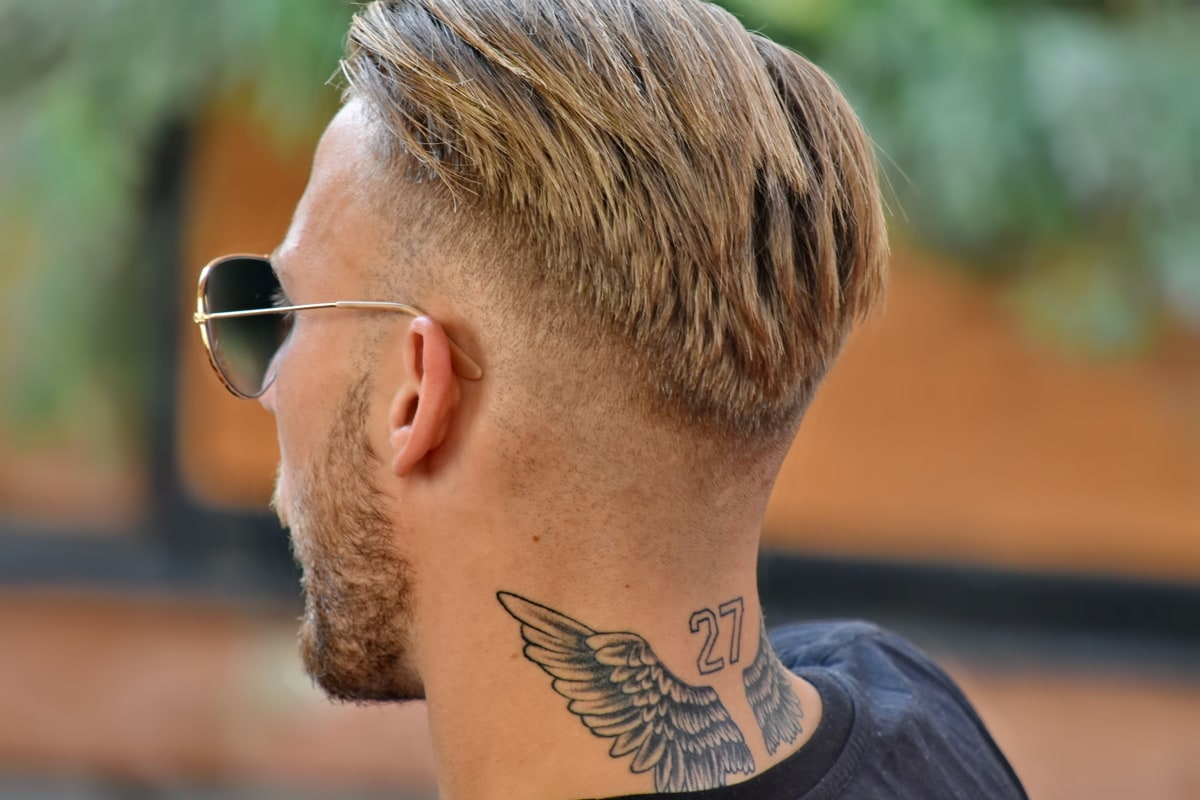
A scalp or hair tattoo helps you address hair loss caused by various conditions, such as male and female pattern baldness. Unlike traditional hair restoration surgeries, scalp tattoos offer a non-invasive, low-maintenance solution. Here are a few types of people who can get scalp tattoos:
Balding Hair
People with male- or female-pattern baldness are ideal candidates for scalp tattoos. Also known as scalp micropigmentation (SMP), the technique mimics the appearance of natural hair follicles. Skilled artists use proper tools and carefully selected pigments to create dots and strokes that resemble the appearance of your hair follicles.
Since tattoos are two-dimensional and don’t grow, the solution is suitable for those who maintain a short haircut. You can achieve a fresh buzzcut look, with the tattoos filling the visible scalp to conceal baldness. A hair tattoo is designed to match your skin tone and hair color, producing realistic outcomes hard to distinguish from real hair. Artists use it to address receding hairlines, thinning crowns, and patchy spots that have experienced hair loss.
Thinning Hair
Scalp tattoos are used to create the appearance of dense hair growth in thinning areas. You may experience gradual hair thinning due to hormonal changes, stress, and other factors. Scalp micropigmentation creates follicle-like tattoos that cover thinning areas, reducing the contrast between natural hair follicles and the exposed scalp. The treatment darkens the scalp beneath existing hair, creating the impression of more density.
SMP is suitable for thinning around hairlines and part lines where volume loss is more noticeable. The tattoos blend naturally with the surrounding hair without affecting the health of existing follicles. Your scalp is also tattooed in layers to build realistic texture and shading that remains discreet beneath natural hair follicles. SMP was originally designed for scalp hair loss but can also be used to increase density in beards, sideburns, goatees, and moustaches.
Scalp Scars
Head injuries, accidents, and burns can leave you with permanent scars on your scalp. Conditions like alopecia and traditional hair restoration surgeries, such as follicular unit extraction (FUE) and follicular unit transplant (FUT), also lead to scarring. Scar tissue doesn’t grow hair follicles and usually has a different tone and texture from the remaining skin. SMP artists carefully position dots and strokes to fill up the scar tissue and create the appearance of natural hair follicles. The tattoos help blend the scar with the surrounding scalp and conceal bald patches or irregular textures. They choose pigments that match the surrounding skin and hair colors. SMP helps conceal scars and baldness caused by alopecia areata, traction alopecia, and patchy hair loss related to stress or medical conditions.
Surgery Ineligibility
Hair transplant surgeries, such as FUT and FUE, involve lengthy preparations, downtimes, and recovery. They also involve the use of anesthesia and incisions that leave scars after healing. Results take several months and involve the shedding of transplanted follicles. If the results are unsatisfactory, adjustments may require several months or timelines equal to those of the original surgery.
You may also be ineligible for transplants due to health restrictions. Tattoos offer an effective, non-invasive alternative with quick results and minimal downtime. No surgical risks are involved, and the results require minimal upkeep. Occasional touch-ups and scheduled outpatient sessions help maintain, refresh, or adjust the look. You also don’t require ongoing medication to support outcomes.
Get a Hair Tattoo Today
Scalp tattoos allow you to restore the appearance of a full head of hair without undergoing surgery. Once healed, the tattoos can be washed and maintained without requiring elaborate protocols and products. Contact a hair tattoo artist today to find out if you’re a good candidate for the treatment.